
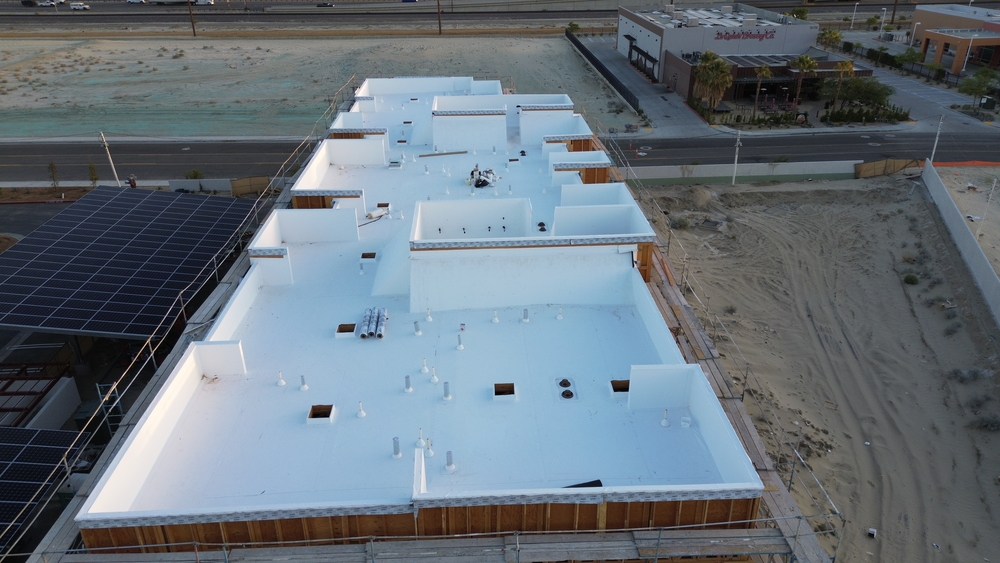
Effective roof lifecycle management is essential for maximizing the durability, performance, and cost-efficiency of a building’s roofing system. Rather than reacting to problems as they arise, a proactive approach ensures that roofs remain functional, safe, and energy-efficient throughout their lifespan. This article explores key strategies for managing the full lifecycle of a roof—from installation to replacement.
1. Understanding the Roof Lifecycle
A roof’s lifecycle typically includes four main stages: design and installation, operation, maintenance, and eventual replacement. Each phase plays a critical role in determining how long the roof will last and how well it performs. Poor decisions early in the lifecycle often lead to higher costs and frequent repairs later on.
2. Strategic Design and Material Selection
The foundation of effective roof lifecycle management begins with proper design and material selection. Choosing materials suited to the local climate, building structure, and intended use is crucial.
- Climate compatibility: Materials should withstand local weather conditions such as heat, rain, wind, or snow.
- Durability vs. cost: While premium materials may have higher upfront costs, they often reduce long-term expenses.
- Energy efficiency: Reflective or insulated roofing materials can significantly reduce energy consumption.
Proper installation by qualified professionals is equally important, as even high-quality materials can fail if installed incorrectly.
3. Regular Inspections and Condition Assessments
Routine inspections are a cornerstone of lifecycle management. These should be conducted at least twice a year and after major weather events.
Key elements to inspect include:
- Membrane condition
- Flashing integrity
- Drainage systems
- Signs of leaks or water damage
Using modern tools such as drones or infrared scanning can help detect hidden issues early, preventing costly damage.
4. Preventive Maintenance Programs
Preventive maintenance extends the lifespan of a roof by addressing minor issues before they escalate.
Typical maintenance activities include:
- Cleaning debris from drains and gutters
- Sealing small cracks and leaks
- Replacing damaged shingles or membranes
- Ensuring proper drainage
A well-documented maintenance schedule helps track the roof’s condition over time and supports better decision-making.
5. Data-Driven Asset Management
Modern roof lifecycle strategies increasingly rely on data and technology.
- Digital records: Maintain detailed logs of inspections, repairs, and warranties.
- Roof management software: Helps monitor condition, predict failures, and plan budgets.
- Lifecycle costing: Evaluates total cost of ownership rather than just initial expenses.
This data-driven approach enables building owners to optimize maintenance and replacement timing.
6. Budgeting and Financial Planning
A proactive financial strategy ensures that funds are available when needed.
- Plan for routine maintenance costs annually
- Set aside reserves for major repairs or replacement
- Use lifecycle cost analysis to avoid unexpected expenses
This reduces financial strain and prevents deferred maintenance, which often leads to bigger problems.
7. Timely Repairs and Rehabilitation
Delaying repairs can significantly shorten a roof’s lifespan. Addressing issues promptly prevents structural damage and reduces long-term costs.
In some cases, rehabilitation—such as recoating or partial replacement—can extend the roof’s life without requiring a full replacement.
8. Sustainable and Energy-Efficient Practices
Sustainability is becoming a key component of roof lifecycle management.
- Install cool roofs to reflect sunlight
- Use recyclable or eco-friendly materials
- Consider green roofs for insulation and environmental benefits
These practices not only extend the roof’s life but also reduce environmental impact and operating costs.
9. End-of-Life Planning and Replacement
Eventually, every roof reaches the end of its service life. Planning for replacement in advance avoids emergency situations.
Key considerations include:
- Evaluating repair vs. replacement costs
- Scheduling replacement during favorable weather
- Selecting improved materials for the next lifecycle
Proper disposal or recycling of old materials also contributes to sustainability goals.
Conclusion
Roof lifecycle management is not just about fixing leaks—it’s a comprehensive strategy that involves planning, monitoring, maintenance, and timely decision-making. By adopting a proactive and data-driven approach, building owners can significantly extend the life of their roofs, reduce costs, and improve overall building performance. Investing in proper lifecycle management ultimately leads to greater reliability, safety, and long-term value.