
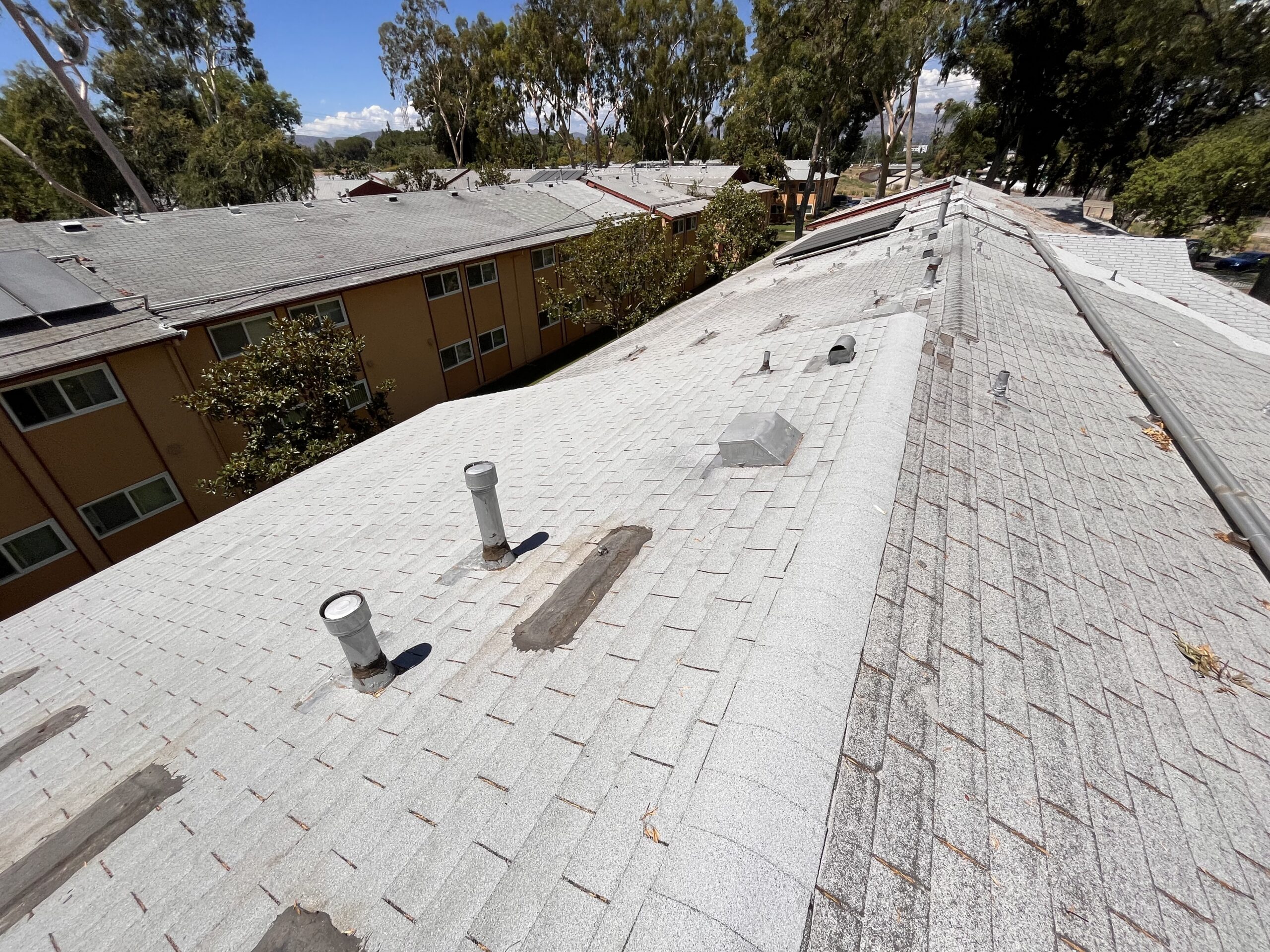
Preventative maintenance is a proactive approach to preserving the condition, performance, and longevity of assets, equipment, and infrastructure. Instead of waiting for failures to occur, organizations implement scheduled maintenance activities to minimize downtime, reduce repair costs, and improve overall efficiency. This article outlines key best practices for developing and maintaining an effective preventative maintenance program.
1. Establish a Clear Maintenance Strategy
A successful preventative maintenance program begins with a well-defined strategy. This includes identifying critical assets, understanding their maintenance requirements, and setting clear objectives.
- Prioritize high-value or mission-critical equipment
- Define maintenance goals (e.g., reduce downtime, extend lifespan)
- Align maintenance plans with operational needs
Having a structured plan ensures consistency and accountability across teams.
2. Create a Comprehensive Asset Inventory
Maintaining a detailed inventory of all assets is essential. This inventory should include:
- Equipment specifications and serial numbers
- Installation dates and expected lifespan
- Maintenance history and warranty details
A centralized asset database helps streamline scheduling, tracking, and reporting.
3. Develop a Preventative Maintenance Schedule
Scheduling regular maintenance tasks is the backbone of preventative maintenance.
- Use manufacturer recommendations as a baseline
- Adjust frequency based on usage and environmental conditions
- Include daily, weekly, monthly, and annual tasks
Automated scheduling tools or maintenance management systems can improve efficiency and reduce missed tasks.
4. Standardize Procedures and Checklists
Consistency is key to effective maintenance. Standard operating procedures (SOPs) and checklists ensure that tasks are performed correctly every time.
- Document step-by-step maintenance procedures
- Use checklists for inspections and routine servicing
- Train staff to follow standardized processes
This reduces errors and ensures quality control across maintenance activities.
5. Train and Empower Maintenance Teams
Skilled personnel are critical to the success of any maintenance program.
- Provide ongoing technical training
- Ensure familiarity with equipment and safety protocols
- Encourage proactive problem identification
Empowered teams can detect early warning signs and take corrective action before issues escalate.
6. Leverage Technology and Automation
Modern technology enhances preventative maintenance efforts through better data collection and analysis.
- Use Computerized Maintenance Management Systems (CMMS)
- Implement IoT sensors for real-time monitoring
- Analyze data trends to predict potential failures
Automation reduces manual effort and improves accuracy in maintenance planning.
7. Monitor Performance and KPIs
Tracking performance metrics helps evaluate the effectiveness of the maintenance program.
Key performance indicators (KPIs) include:
- Equipment downtime
- Mean time between failures (MTBF)
- Maintenance costs
- Task completion rates
Regularly reviewing these metrics allows organizations to refine their strategies and improve outcomes.
8. Perform Regular Inspections and Audits
Routine inspections and internal audits ensure compliance with maintenance standards and identify gaps.
- Conduct visual and technical inspections
- Audit maintenance records and procedures
- Address inconsistencies promptly
This continuous evaluation helps maintain high standards and operational reliability.
9. Maintain Proper Documentation
Accurate documentation is essential for tracking maintenance activities and supporting decision-making.
- Record all maintenance tasks and repairs
- Keep logs of inspections and findings
- Store data in an accessible and organized system
Good documentation supports compliance, audits, and long-term planning.
10. Continuously Improve the Program
Preventative maintenance is not static—it should evolve over time.
- Analyze past failures and maintenance outcomes
- Incorporate feedback from maintenance teams
- Update schedules and procedures as needed
A culture of continuous improvement ensures that the program remains effective and aligned with organizational goals.
Conclusion
Preventative maintenance is a critical component of efficient asset management. By implementing structured strategies, leveraging technology, and fostering a proactive culture, organizations can reduce unexpected failures, extend asset life, and optimize operational performance. Investing in preventative maintenance today leads to long-term reliability, cost savings, and improved productivity.